
Introduction
The serum prolactin test is a simple blood test. It measures the level of prolactin in your blood. Prolactin is a hormone made by the pituitary gland. This hormone helps with many body functions, including milk production in women. However, both men and women have prolactin in their bodies. Doctors often use the serum prolactin test to check for hormone problems. Because hormone balance is important for health, this test can give helpful information. According to the CDC, hormone tests like this are common and safe.
Purpose of the Serum Prolactin Test
Doctors order the serum prolactin test for several reasons. Often, it helps them find out why someone has certain symptoms. For example, it can show if there is a problem with the pituitary gland. In addition, it helps diagnose conditions linked to abnormal prolactin levels. Here are some common reasons for this test:
Sometimes, doctors also use the prolactin blood test to check for other hormone problems.
Symptoms Leading to the Test
Many symptoms can lead a doctor to suggest a serum prolactin test. If you notice any of these, your doctor may recommend testing:
Because these symptoms can have many causes, the prolactin test helps narrow down the problem.
Serum Prolactin Test Procedure
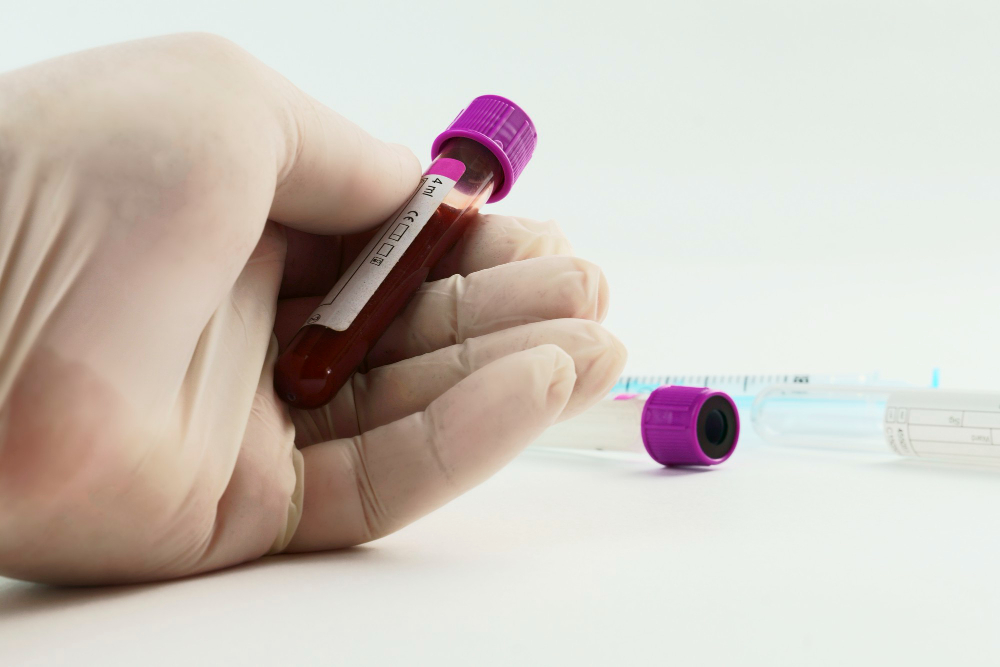
The serum prolactin test is quick and simple. First, a healthcare worker will clean your arm. Next, they will use a small needle to take a blood sample from a vein. The process usually takes only a few minutes. Most people feel only a small pinch. Afterward, you can go back to your normal activities.
Sometimes, your doctor may ask you to avoid eating or drinking for a few hours before the test. In addition, you may need to avoid stress or exercise, as these can affect prolactin levels. Always follow your doctor’s instructions before the test.
Interpreting Test Results
After the test, your doctor will review your prolactin levels. Normal ranges can vary by lab, but your doctor will explain your results. Here is what different levels may mean:
Because many things can affect prolactin, your doctor may order more tests if needed. For example, they may check your thyroid or order a brain scan.
Risks and Safety
The serum prolactin test is very safe. Like any blood test, there are a few minor risks. For instance, you might have slight pain, bruising, or swelling where the needle went in. Rarely, some people may feel dizzy or faint. However, serious problems are very uncommon. The World Health Organization states that blood tests are safe for most people.
Aftercare and Next Steps
After the test, you can usually return to your normal routine. If you feel dizzy, sit down and rest for a few minutes. Once your results are ready, your doctor will discuss them with you. Depending on your results, you may need more tests or treatment. Always ask your doctor if you have questions about your results.
Prevention and Lifestyle Guidance
While you cannot always prevent hormone problems, you can support your health in several ways. For example:
Because hormone levels can change for many reasons, regular check-ups are important.
Frequently Asked Questions
For more information, visit trusted sources like the CDC or WHO.
Consult Dr. Nawani for personalized guidance on the serum prolactin test.