
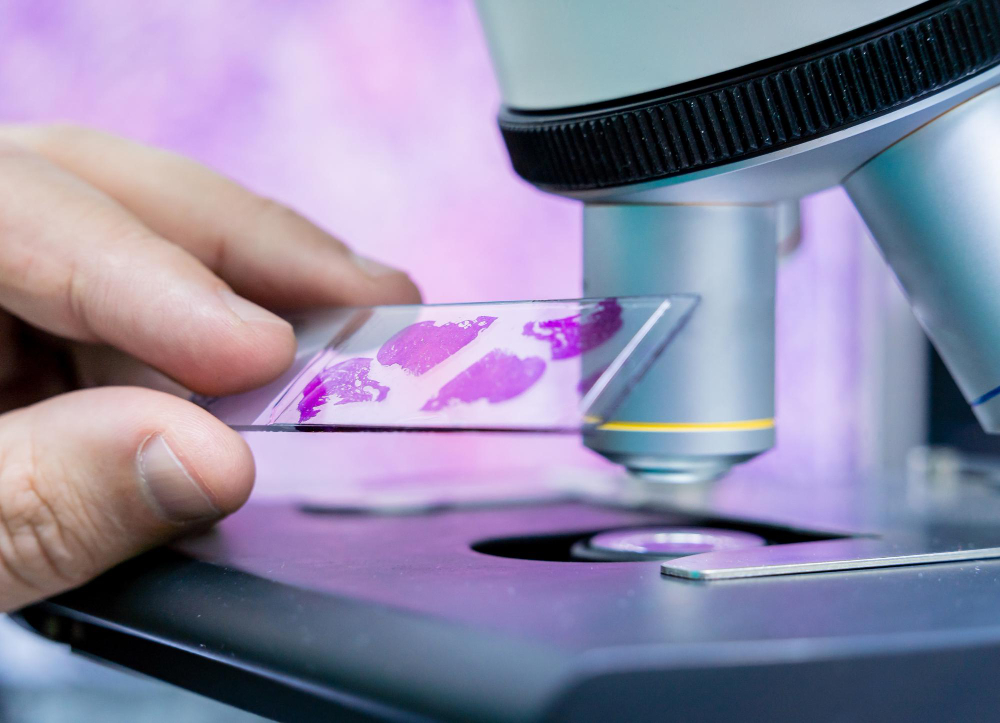
What is Histopathology?
Histopathology is the study of tissues under a microscope. Doctors use it to look for changes in your cells. This process helps find diseases early. In fact, histopathology is a key part of modern medicine. It gives doctors a close look at your body’s tiny building blocks.
How Does Histopathology Work?
First, doctors collect a small tissue sample, often called a biopsy. Next, a specialist prepares the sample for a microscopic examination. Then, a pathologist studies the tissue to spot any unusual changes. Because of this careful process, doctors can find problems that may not show up in other tests.
Why is Histopathology Important?
Histopathology is important for many reasons. For example, it helps diagnose diseases like cancer. It also checks if a treatment is working. Moreover, histopathology can confirm or rule out certain conditions. With this information, doctors can plan the best care for you.
Common Reasons for Histopathology Tests
Doctors may suggest a histopathology test for several reasons. Some common ones include:
Because these tests are so useful, they are a regular part of many health checkups.
The Histopathology Process: Step by Step
Understanding the process can ease your worries. Here is what usually happens:
Each step is done with care to ensure accurate results.
What Can Histopathology Reveal About Your Health?
Histopathology can uncover many cellular secrets. For instance, it can show if cells are healthy or abnormal. It can also reveal infections, inflammation, or cancer. Sometimes, it even helps doctors find rare diseases. Because of these insights, histopathology guides important health decisions.
Preparing for a Histopathology Test
Usually, you do not need to do much to prepare. However, your doctor may give you special instructions. For example, you might need to avoid certain medicines. Or, you may need to fast before a biopsy. Always follow your doctor’s advice to get the best results.
Understanding Your Results
Once the test is done, your doctor will explain the findings. Sometimes, results are ready in a few days. Other times, it may take longer. If the report mentions abnormal cells, do not panic. Your doctor will discuss what it means and the next steps. Because each case is unique, your care plan will be tailored to you.
Frequently Asked Questions About Histopathology
In summary, histopathology is a powerful tool for uncovering your cellular secrets. It helps doctors diagnose and treat many conditions. If you have questions, consult a pathology specialist at Leo Diagnostics to learn more about your cellular health.