
Introduction
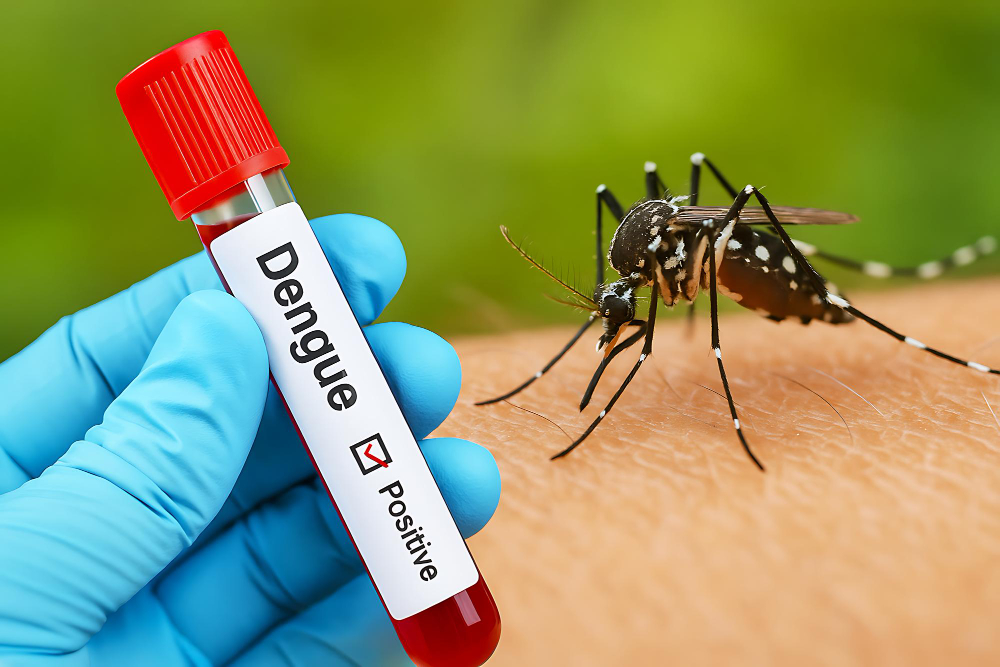
Dengue is a viral infection spread by mosquitoes. During the monsoon, dengue cases often rise quickly. Many people overlook this infection, but early testing is very important. In fact, knowing dengue symptoms and getting a quick dengue diagnosis can help prevent serious problems. Early dengue detection is key to better recovery. Monsoon infections like dengue can affect anyone, so staying alert is wise.
What is Dengue?
Dengue is caused by a virus carried by the Aedes mosquito. When this mosquito bites, it can pass the virus to people. The infection can cause mild to severe illness. Sometimes, it can even become life-threatening. However, most people recover with proper care. The World Health Organization (WHO) and Centers for Disease Control and Prevention (CDC) both warn about dengue, especially in tropical areas.
Why is Dengue Common During the Monsoon?
During the monsoon, rainwater collects in many places. As a result, mosquitoes find more spots to breed. Stagnant water in buckets, flower pots, or puddles becomes a perfect home for Aedes mosquitoes. Because of this, dengue cases often increase during rainy months. In cities and towns, crowded areas and poor drainage can make the problem worse. So, it is important to stay alert during the monsoon season.
Symptoms of Dengue
Dengue symptoms usually appear 4 to 10 days after a mosquito bite. Early signs can look like the flu. Still, some symptoms are unique to dengue. Watch for these common signs:
However, not everyone gets all these symptoms. If you notice any of them, especially after a mosquito bite, seek help quickly.
Why Early Testing for Dengue is Crucial
Early testing for dengue can save lives. When you test early, doctors can watch for warning signs and give the right care. Sometimes, dengue can turn severe and cause bleeding or organ problems. But with early dengue detection, these risks drop. Also, early diagnosis helps prevent the spread of the virus. If you know you have dengue, you can rest and avoid mosquito bites, stopping the cycle. Therefore, do not wait if you feel unwell during the monsoon.
Diagnosis: How is Dengue Detected?
Doctors use blood tests to confirm dengue. These tests look for the virus or antibodies in your blood. Some common tests include:
Usually, your doctor will choose the best test based on your symptoms and how many days you have been sick. Early testing makes treatment safer and more effective.
Treatment and Home Care Tips
There is no specific medicine to cure dengue. However, most people get better with good care at home. Here are some helpful tips:
Never ignore severe symptoms. In some cases, hospital care is needed to prevent complications.
Prevention: How to Protect Yourself During Monsoon
Preventing mosquito bites is the best way to avoid dengue. During the monsoon, take extra care with these steps:
Additionally, encourage your family and neighbors to do the same. Together, you can reduce the risk of dengue in your area.
Conclusion
To sum up, dengue is a serious monsoon infection that many people overlook. Early testing for dengue is very important. If you notice any symptoms of dengue, consult a healthcare professional Dr. Nawani at Leo Diagnostics immediately for early testing and proper care.