
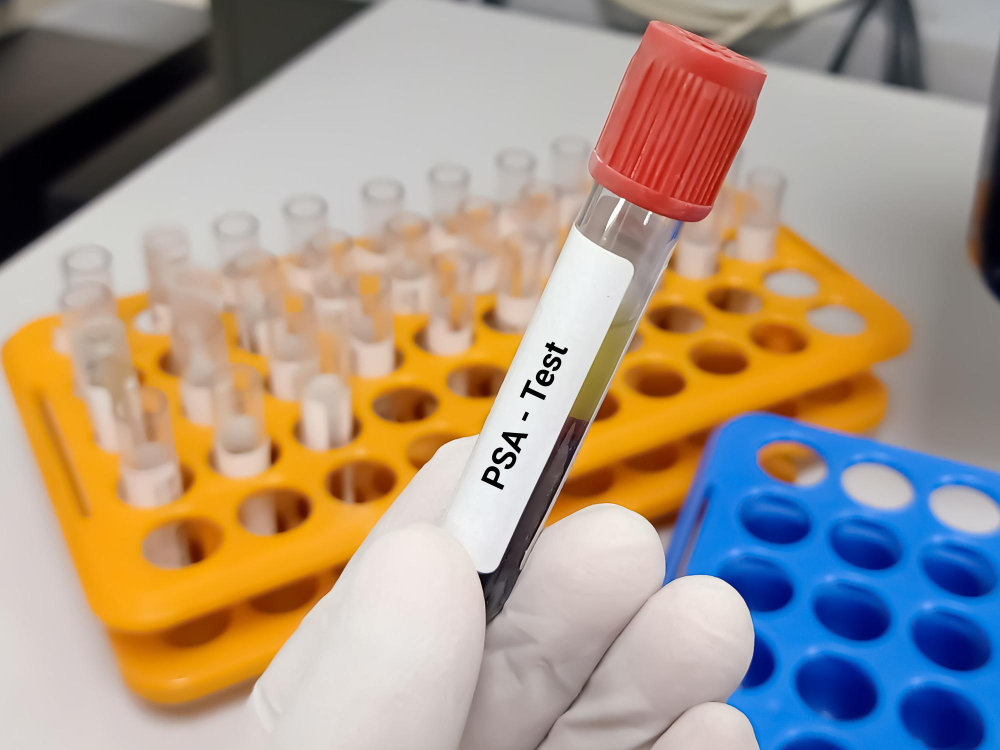
What is a PSA Test?
The PSA test is a simple blood test. It measures the level of prostate-specific antigen (PSA) in your blood. PSA is a protein made by the prostate gland. While some PSA is normal, higher levels can signal prostate problems. For example, high PSA may point to prostate cancer, infection, or an enlarged prostate. Because of this, the PSA test is often used as a first step in prostate health screening.
Why is Early Screening Important?
Early screening for prostate health can save lives. Many men with prostate cancer have no symptoms at first. However, finding problems early gives you more treatment options. In fact, early detection can lead to better outcomes. According to the CDC, prostate cancer is one of the most common cancers in men. Yet, when caught early, it is often treatable. Therefore, regular PSA testing can help spot changes before symptoms appear.
Who Should Consider a PSA Test?
Not every man needs a PSA test right away. Still, some men have a higher risk for prostate cancer. You may want to consider a PSA test if you:
Even so, it is best to talk with your doctor. They can help you decide if and when to start screening. The American Cancer Society suggests discussing PSA testing at age 50 for most men, or earlier for those at higher risk.
How is the PSA Test Performed?
The PSA test is quick and easy. First, a healthcare worker takes a small blood sample from your arm. Next, the sample goes to a lab for testing. You do not need to fast or do anything special before the test. Afterward, your doctor will review the results with you. Because the test is simple, it can be done during a regular checkup.
Understanding PSA Test Results
PSA levels are measured in nanograms per milliliter (ng/mL). Most healthy men have PSA levels below 4 ng/mL. However, higher numbers do not always mean cancer. For example, infection or an enlarged prostate can also raise PSA. On the other hand, some men with prostate cancer have normal PSA levels. Therefore, your doctor may suggest more tests if your PSA is high. These may include a repeat PSA test, a digital rectal exam, or a prostate biopsy.
Risks and Limitations of PSA Screening
Although the PSA test is helpful, it is not perfect. Sometimes, the test can give a false positive. This means the test shows a problem when there is none. As a result, you may need more tests that are not needed. On the other hand, the test can also miss some cancers. Because of these limits, doctors use PSA results along with other information. It is important to discuss the risks and benefits with your doctor before screening.
Tips for Prostate Health and Prevention
While you cannot prevent all prostate problems, you can take steps to support prostate health. For instance, you can:
Additionally, regular checkups help catch changes early. If you notice symptoms like trouble urinating or blood in urine, see your doctor right away.
Conclusion
In summary, the PSA test is an important tool for early screening of prostate health. Early detection of prostate cancer can improve treatment options and outcomes. However, the test has some risks and limits. Therefore, always talk to your healthcare provider about your personal risk and whether PSA testing is right for you. For the best advice, consult Dr. Nawani and stay informed about your health.