
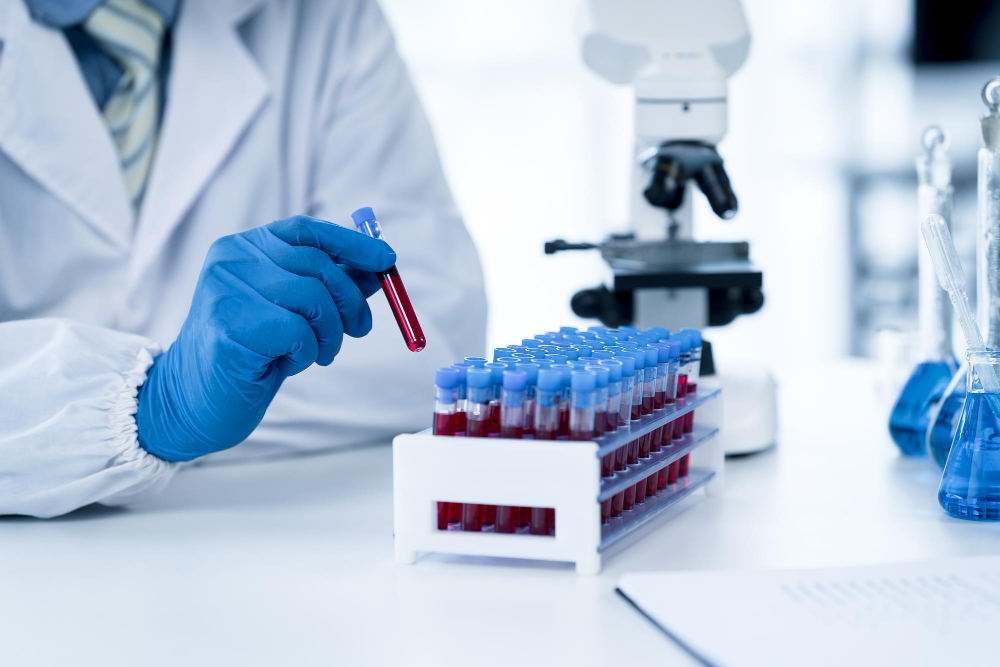
What is a Blood Culture Test?
A blood culture test checks your blood for germs like bacteria or fungi. Doctors use this test to find infections in your blood. Often, a blood culture test helps guide the right treatment. In many clinics and hospitals, trained staff perform this test with care. The process is simple and safe for most people.
Why is a Blood Culture Test Done?
Doctors order a blood culture test when they suspect a serious infection. Sometimes, infections spread from one part of the body into the blood. As a result, quick testing is needed. This test helps find the cause of fever, chills, or low blood pressure. Additionally, it can help check if a treatment is working. According to the CDC, early testing can save lives by guiding the right care.
Symptoms and Signs That May Require a Blood Culture Test
Doctors may suggest a blood culture test if you have certain symptoms. For example, you may need this test if you have:
Sometimes, people with weak immune systems need this test more often. For instance, those with cancer or diabetes may be at higher risk.
How is a Blood Culture Test Performed?
First, a healthcare worker cleans your skin. Next, they use a small needle to take blood from your arm. Usually, two or more samples are taken from different spots. This helps find germs more easily. The blood goes into special bottles. Then, the bottles are sent to a lab. In the lab, experts watch for any germs that grow. This process is called the blood culture test procedure. Most local clinics and hospitals follow these steps to keep you safe.
What Do Blood Culture Test Results Mean?
Understanding blood culture results is important. If no germs grow, the test is negative. This means there is likely no infection in your blood. However, if germs do grow, the test is positive. Doctors will look at which germs are present. Then, they choose the best treatment. Sometimes, the lab may find germs that are not harmful. In this case, your doctor will explain what the results mean for you.
Risks and Safety of Blood Culture Tests
Blood culture test safety is a top concern in clinics and hospitals. Most people have no problems with this test. However, a few risks exist. For example, you may feel a little pain or bruising where the needle goes in. Rarely, there may be slight bleeding or infection at the site. Still, trained staff use clean tools and follow safety steps. According to the World Health Organization, these risks are very low.
How to Prepare for a Blood Culture Test
Preparing for a blood culture test is simple. In most cases, you do not need to do anything special. However, your doctor may ask about any medicines you take. Sometimes, you may need to stop certain drugs before the test. Always follow your doctor’s advice. If you feel nervous, let the staff know. They can help you feel more comfortable.
Tips for After the Test
After the blood culture test, you can usually go back to normal activities. Still, watch for any redness, swelling, or pain at the needle site. If you notice these signs, tell your doctor. Drinking water and resting can help you feel better. If you feel dizzy, sit down and wait until you feel steady. Most people recover quickly after the test.
Conclusion
If you need a blood culture test or have questions about your results, visit Dr. Nawani for support. Schedule your test today to get clear answers and peace of mind.