
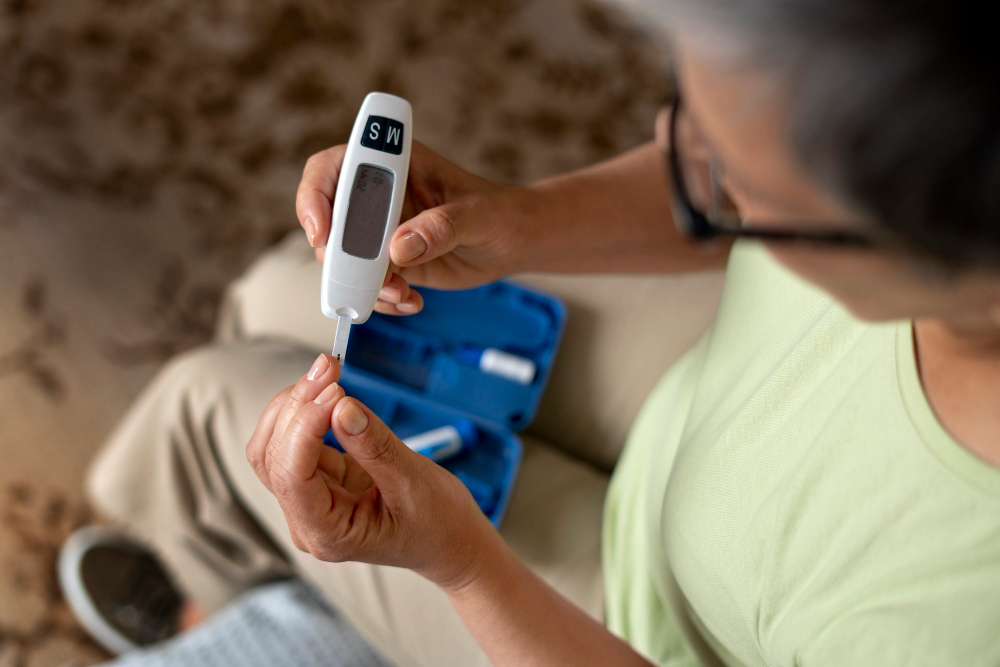
What is Diabetic Nephropathy?
Diabetic nephropathy is a type of kidney disease caused by diabetes. Over time, high blood sugar can damage the small blood vessels in your kidneys. As a result, your kidneys may not work as well as they should. For many people, this problem develops slowly. However, early testing can help find kidney issues before they get worse.
Why is Testing Important?
Early detection of diabetic kidney disease is very important. With regular diabetic nephropathy testing, you can spot problems before symptoms appear. Because kidney damage often has no early signs, testing helps you take action sooner. In addition, early treatment can slow or even stop further damage. For people with diabetes, regular kidney tests are a key part of staying healthy.
Common Tests for Diabetic Nephropathy
Doctors use several tests to check your kidney health. Here are the main tests for diabetic nephropathy:
Sometimes, your doctor may order other tests. However, these three are the most common for diabetic nephropathy testing.
How to Prepare for Testing
Getting ready for kidney tests is simple. Still, you should follow your doctor’s advice. Here are some tips to help you prepare:
Because some tests need a urine sample, you may be asked to collect urine at home or at the clinic. Always follow the instructions carefully.
Understanding Your Test Results
After testing, your doctor will explain the results. But it helps to know what they mean. For example, a high urine albumin level can be an early sign of kidney damage. On the other hand, a low eGFR means your kidneys are not filtering waste well. If your blood creatinine is high, it may also point to kidney problems. However, only your doctor can tell you what your results mean for your health.
Prevention and Next Steps
Even if your tests are normal, regular diabetic nephropathy testing is important. To help protect your kidneys, you can:
If your tests show early signs of kidney disease, your doctor may suggest changes to your treatment plan. Sometimes, you may need more frequent testing or new medicines. Either way, early action can make a big difference.
For the best care, consult Dr. Nawani for personalized advice on diabetic nephropathy testing.