
Introduction to Pancreatic Function Test
The pancreas is a small organ in your belly. It helps your body digest food and control blood sugar. A pancreatic function test checks how well your pancreas works. This test is important because it can find problems early. Early detection helps doctors treat issues before they get worse. Many people do not know they have a problem until symptoms appear. Therefore, a pancreatic function test can be very helpful for your health.
Symptoms or Reasons for Needing the Test
Doctors may suggest a pancreatic function test if you have certain symptoms. These signs can point to problems with your pancreas. For example, you may need the test if you have:
Sometimes, your doctor may order the test if you have a family history of pancreatic disease. In addition, people with diabetes or certain digestive issues may also need this test.
Causes or Conditions That May Require the Test
Several health conditions can affect the pancreas. Because of this, a pancreatic function test can help find:
Early testing can help manage these conditions better. Also, it can prevent further health problems.
How the Pancreatic Function Test Is Performed
There are different ways to test pancreatic function. Most tests are simple and safe. Common types include:
Before the test, your doctor may ask you to stop eating or drinking for several hours. In some cases, you may need to avoid certain medicines. Always follow your doctor’s instructions to get the best results.
What to Expect During and After the Test
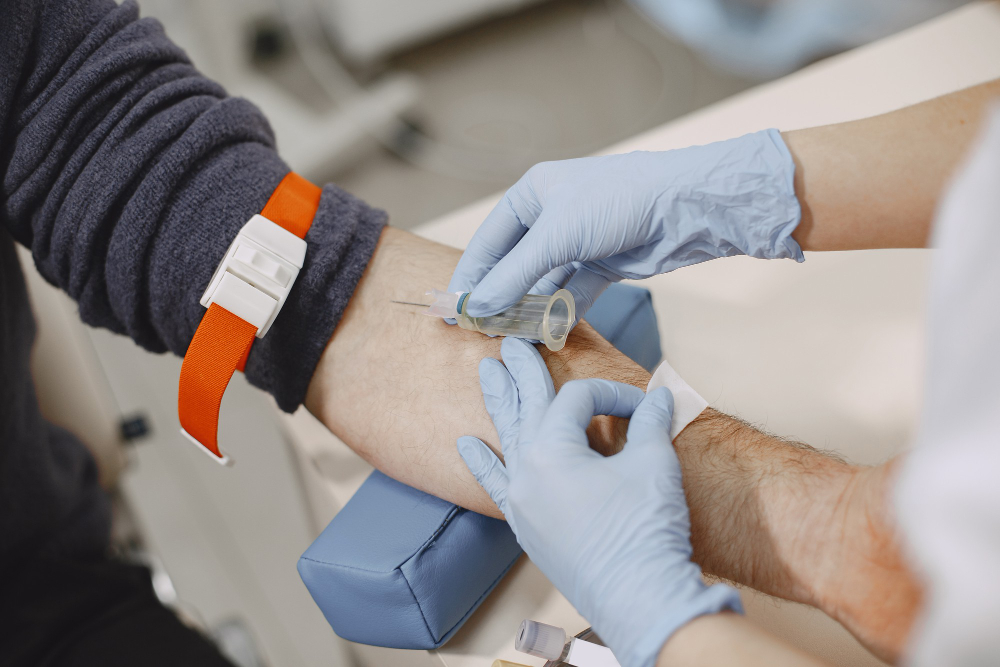
Most pancreatic function tests are quick and do not cause pain. For blood tests, a nurse will take a small sample from your arm. Stool tests require you to collect a sample at home. Direct tests may take longer and are done in a clinic or hospital. During these, you may feel mild discomfort, but it usually does not last long. After the test, you can return to your normal activities. However, if you feel unwell, let your doctor know right away.
Interpreting the Results
Your doctor will review your test results and explain what they mean. High or low levels of certain enzymes can show if your pancreas is not working well. Sometimes, more tests are needed to find the exact cause. Remember, only your doctor can give you a diagnosis. If you have questions, ask your healthcare provider for more details.
Lifestyle and Follow-Up Advice
After a pancreatic function test, your doctor may suggest changes to your diet or lifestyle. For example, you may need to:
Regular check-ups help track your health. If you notice new symptoms, contact your doctor right away. Early action can make a big difference.
Prevention and Maintaining Pancreatic Health
Keeping your pancreas healthy is important. You can take simple steps every day. For instance:
These habits can lower your risk of pancreatic problems. In addition, regular health checks can catch issues early.
Call to Action
If you notice symptoms or have concerns about your pancreas, consult a doctor at Leo Diagnostics. Only a healthcare professional can provide advice tailored to your needs. Early testing and timely care can help you maintain optimal pancreatic health.