
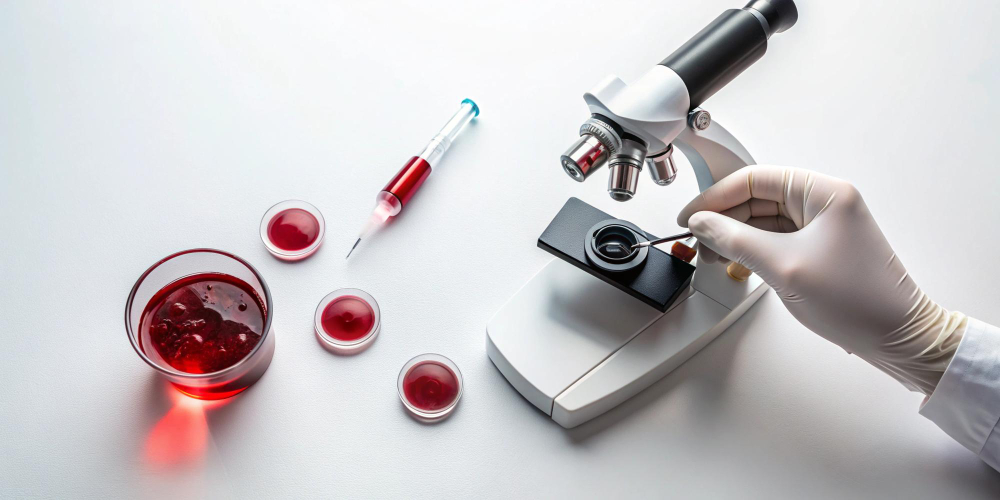
Platelet function testing helps doctors check how well your blood clots. This test looks at how your platelets work. Platelets are tiny cells in your blood. They help stop bleeding by forming clots. When platelets do not work right, you may bleed too much or form clots too easily. Because of this, platelet function testing can be important for your health. Many people wonder, “What is platelet function testing?” or “How do platelet function tests work?” This blog will answer these questions and more.
What Are Platelets?
First, it helps to know what platelets are. Platelets are small cell fragments in your blood. They help your body stop bleeding. For example, when you get a cut, platelets rush to the spot. Then, they stick together and form a plug. This plug helps seal the wound. Without platelets, even small injuries could cause a lot of bleeding. The World Health Organization (WHO) explains that platelets are key for healthy blood clotting.
Why Is Platelet Function Testing Important?
Platelet function testing is important for many reasons. Sometimes, people have bleeding problems. Other times, they may form blood clots too easily. In both cases, doctors need to know how well the platelets are working. For instance, before surgery, doctors may order this test. This helps them check if your blood will clot as it should. In addition, some medicines can affect platelets. Testing helps doctors see if these medicines are safe for you. The Centers for Disease Control and Prevention (CDC) notes that testing can guide treatment choices.
Common Symptoms That May Require Platelet Function Testing
Many symptoms can lead a doctor to order platelet function testing. Some of these symptoms include:
If you notice these signs, it is important to tell your doctor. Early testing can help find the cause and guide treatment.
Causes and Conditions Linked to Platelet Dysfunction
Several health problems can affect how platelets work. For example, some people are born with platelet disorders. Others develop them later in life. Common causes and conditions include:
Because there are many causes, doctors use platelet function testing to help find the exact problem.
How Platelet Function Testing Is Done
Doctors use several methods to test platelet function. Usually, they take a small blood sample from your arm. Next, the sample goes to a lab. There, experts check how your platelets react to certain chemicals. Some common tests include:
Each test looks at different ways platelets work. Your doctor will choose the best test for your needs. According to medical journals, these tests are safe and take only a short time.
Understanding Test Results
After the test, your doctor will explain the platelet function test results. Sometimes, results show that platelets work well. Other times, they may show problems. For example, low platelet function can mean a higher risk of bleeding. High platelet activity can mean a risk of clots. However, test results can be hard to understand on your own. Always ask your doctor to explain what your results mean for you. They will look at your health history and symptoms, too.
Treatment and Management Options
If your platelet function test shows a problem, there are many ways to manage it. Treatment depends on the cause. Some common options include:
Your doctor will help choose the best plan for you. In many cases, simple changes can make a big difference.
Lifestyle Tips for Healthy Platelet Function
Healthy habits can support good platelet function. For instance, eating a balanced diet helps your body make healthy blood cells. Here are some tips:
Because lifestyle choices matter, talk to your doctor about what is best for you.
Preventive Measures and When to Seek Medical Advice
Taking steps to prevent platelet problems is important. For example, always follow your doctor’s advice about medicines. If you have a family history of bleeding disorders, tell your doctor. In addition, seek medical help if you notice:
Early action can help prevent serious problems. The CDC and WHO both stress the value of regular check-ups and open communication with your healthcare team.
Conclusion
Schedule your platelet function test with Dr. Nawani to better understand your blood health. Early testing can help you and your care team make the right choices for your well being.