
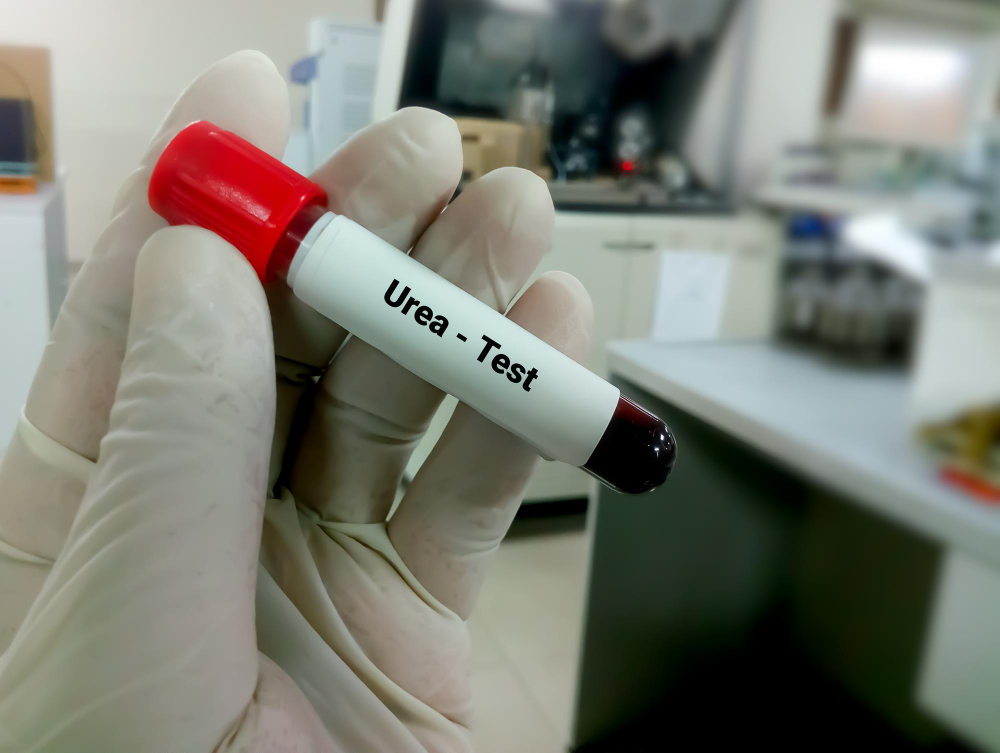
Introduction to the Urea Test
The urea test is a common blood test that helps doctors check how well your kidneys are working. Many people wonder, “What is a urea test?” or why it is important. In this blog, you will learn about the purpose, procedure, and results of the urea test. This information can help you feel more prepared if your doctor recommends this test.
What is a Urea Test?
A urea test measures the amount of urea in your blood. Urea is a waste product made when your body breaks down protein. Usually, your kidneys remove urea from your blood. However, if your kidneys are not working well, urea can build up. Because of this, doctors use the urea blood test to check kidney health.
Why is a Urea Test Done?
Doctors order a urea test for several reasons. For example, it can help:
Sometimes, the test is part of a routine health check-up. In other cases, it helps diagnose specific problems.
How is the Urea Test Performed?
The urea blood test procedure is simple and quick. Usually, a nurse or technician will:
After the test, you can return to your normal activities. Most people feel only a slight pinch during the blood draw.
What Do Urea Test Results Mean?
After the test, your doctor will review your results. But what do urea test results mean? In general, the amount of urea in your blood shows how well your kidneys are working. However, other factors can also affect your results. For example, dehydration or a high-protein diet may cause higher urea levels. On the other hand, low urea levels can suggest liver problems or malnutrition.
Normal and Abnormal Urea Levels
Normal urea levels can vary by age and lab. Usually, normal blood urea nitrogen (BUN) levels are:
High urea levels may mean:
Low urea levels may suggest:
Still, only a doctor can interpret your urea test results in detail.
Factors Affecting Urea Levels
Several things can change your urea levels. For instance, these include:
Because of this, always tell your doctor about your health and lifestyle.
How to Prepare for a Urea Test
Most people do not need special steps before a urea test. However, your doctor may ask you to:
Always follow your doctor’s instructions for the best results.
Risks and Considerations
The urea test is safe for most people. Although rare, some may have:
However, these side effects usually go away quickly. If you feel unwell after the test, let your doctor know.
When to Consult a Doctor
If your urea test results are not normal, your doctor will explain what they mean. Sometimes, you may need more tests or treatment. For example, if you have symptoms like swelling, tiredness, or changes in urination, talk to your doctor right away. Early action can help prevent serious problems.
Conclusion and Practical Advice
In summary, the urea test is a simple way to check kidney health. It can also help find other health issues. Because many factors affect urea levels, always discuss your results with a healthcare provider. If you have questions or concerns, consult a healthcare provider at Leo Diagnostics for personalized advice about your urea test results.